

For years, many women have normalised pain, heavy bleeding, or irregular cycles, often brushing
them off as “just part of being a woman.” But behind these symptoms are real medical conditions that
can be treated, managed, and even prevented with the right care.
To help women understand these issues better, Marie Stopes Hospital launched a nationwide gynaecology awareness campaign, aimed at breaking the silence and encouraging women to seek
help early.
Dr. Jocknus Walina, Consultant Gynaecologist at Marie Stopes Hospital and Maternity, discusses the most common conditions affecting women today and how the hospital is helping women recover and regain control of their health.
He highlights that the hospital supports women’s health through three interventions, which include:
family planning services, antenatal and postnatal care and gynaecological support.
He says, “Women face everyday realities that cannot be ignored, such as the need for proper menstrual hygiene and supportive post-menopausal care.” He added, “A woman’s health deserves
attention throughout her entire life.”
Here are excerpts of the interview:
1. What interventions has Marie Stopes done to draw attention to women’s health?
This year, Marie Stopes launched the “Choose Freedom” campaign under the series “For Every Stage of Woman” to educate women about their reproductive health. Too many women suffer quietly because they believe their symptoms are normal.
Through this campaign, we give women simple, relatable information amplified by one critical message: if something feels wrong, it deserves attention. Early diagnosis minimises complications and saves lives
2. Which reproductive health conditions are most common right now?
We are seeing a rise in conditions like fibroids, PCOS, endometriosis, ovarian cysts, and irregular periods. These conditions affect women in their 20s all the way to their late 40s.
Without proper care, they can lead to severe pain, pregnancy complications and infertility for some women. Raising awareness is the first step toward early diagnosis and treatment.
3. What symptoms should prompt a woman to see a gynaecologist?
As I had earlier shared. If something feels wrong, it deserves attention. If one notices that they have had very heavy or prolonged periods, missed or unpredictable period cycles, persistent pelvic pain, bloating that doesn’t go away, or painful intercourse, abnormal discharge, delay in getting pregnant, then it's time to seek professional help. Pain or discomfort should never be dismissed. These symptoms can indicate treatable conditions.
4. How does Marie Stopes Hospital support women diagnosed with these conditions?
The hospital provides end-to-end care under one roof, and one can expect;
Advanced ultrasound and diagnostic lab services for the detection of gynaecological conditions like fibroids, ovarian cysts, endometriosis, and pregnancy-related complications.
Family planning support, which we tailor to one’s lifestyle and whether they want to delay pregnancy or space their children.
Preconception care to prepare for a healthy pregnancy by addressing nutrition, screening for conditions, and optimising overall health.
Comprehensive antenatal care that monitors the health of the mother and baby throughout pregnancy, and manages any complications that may arise.
Minimally invasive surgeries like the laparoscopy for fibroid removal, cyst management, or treating endometriosis.
Hormonal and medical treatments
And fertility investigations and support
Our approach is holistic. We don’t just treat a condition but also care for the woman behind the
diagnosis.
5. You mentioned surgery, and this is a big fear for many women. Are there other treatment options?
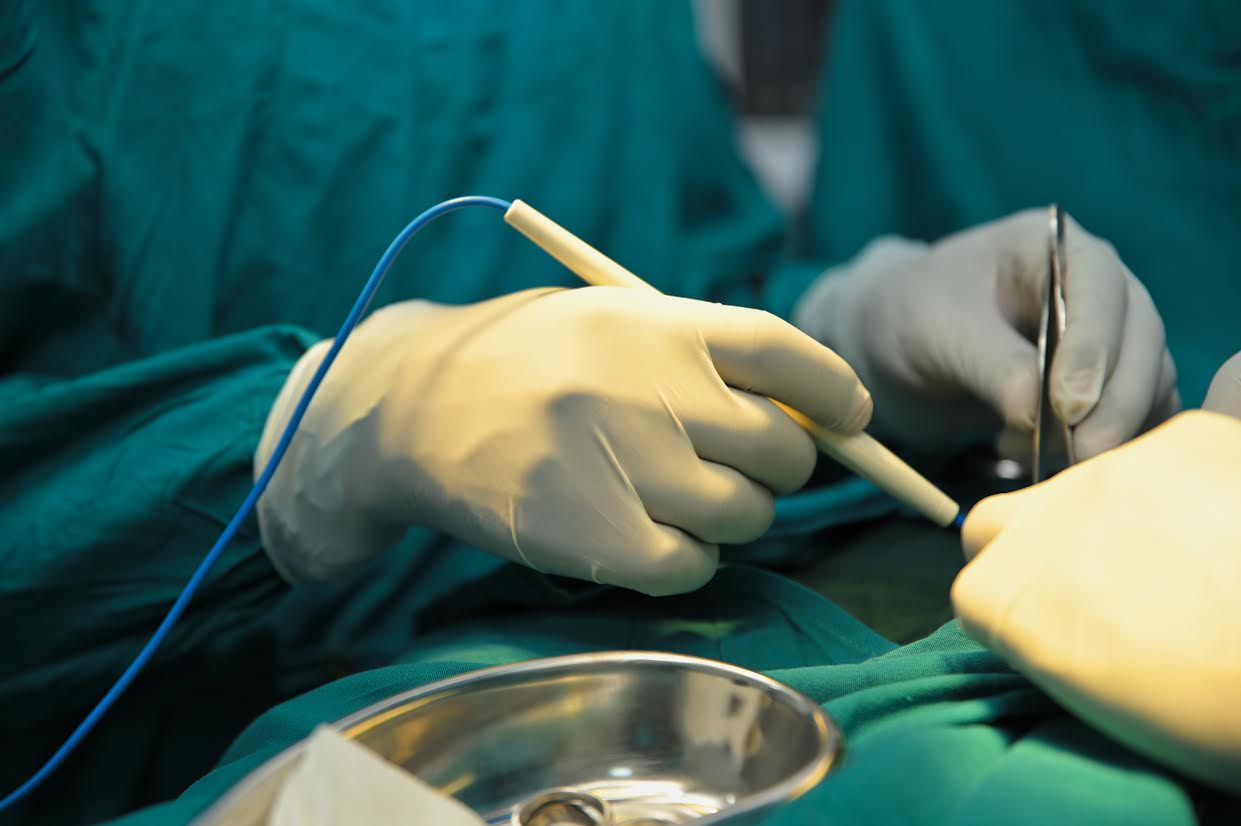
Absolutely. Not all cases require surgery, but depending on the diagnosis, we may use
medication, hormonal therapy, lifestyle interventions, or minimally invasive procedures where we
make a small incision in the abdomen and use high-tech specialised instruments to operate while
viewing the pelvic organs on a monitor or screen.
This type of surgery offers a fast recovery and minimal discomfort for the patient. It’s our custom to always explain every option so women can make informed decisions.
6. If we could pivot to antenatal care that you mentioned earlier, why was it a big factor in this campaign?
Antenatal care was a focus because women’s health is a continuous journey. A healthy reproductive system before pregnancy lowers the risk of complications during pregnancy and delivery.
By integrating ANC, we want people to identify and assess risk factors that can affect the mother and baby. It also allows us to work closely with parents to create personalised delivery plans.
What sets Marie Stopes Hospital apart in providing women’s health services?
What truly sets Marie Stopes Hospital apart is that women’s health isn’t just part of what
we do; it’s our core expertise.
Globally, Marie Stopes is recognised as a leader in women’s health, and we bring that legacy of excellence to every patient interaction.
Our care model is patient-centred: we prioritise dignity, confidentiality, and personalised care. Plus, we’re available 24/7, so you’ll always find a gynaecologist or doctor ready to help. But generally, women feel safe opening up to us, and that trust is central to recovery.
